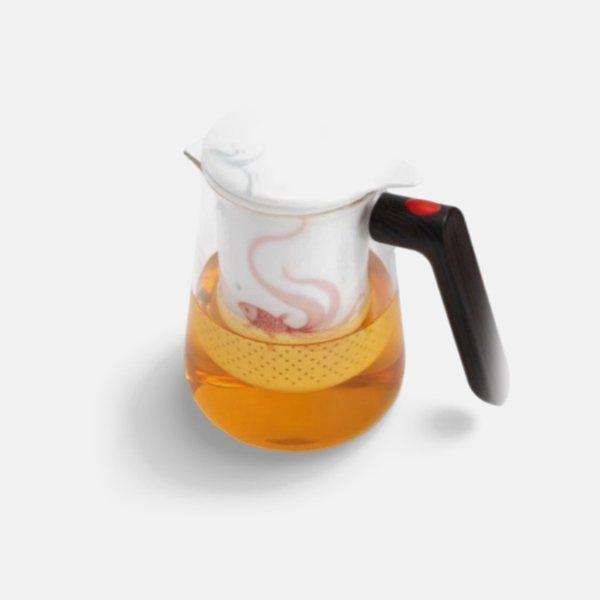
 Sold outLotus Glass Teapot€19.98
How tea brewing changed over the centuries
Tea has been prepared in many ways over more than a thousand years. Each method shaped the teaware of its time, and much of it is still on our tables today.
Knowing where a ritual comes from makes it easier to choose how you want to enjoy tea yourself: quick and simple, slow and attentive, or somewhere in between.
- 01
Boiled tea
In the Tang dynasty, tea was pressed into cakes, roasted, ground and boiled in a kettle, sometimes with salt. Lu Yu's Classic of Tea, written in the 8th century, described the tools and the steps in detail and helped turn tea into a considered ritual.
- 02
Whisked tea
In the Song dynasty, powdered tea was whisked with hot water in a wide bowl until it foamed. Dark glazed bowls were prized because they showed off the white foam. The method travelled to Japan, where it lives on in the matcha tea ceremony.
- 03
Steeped loose leaves
In the Ming dynasty, loose leaves steeped in hot water became the usual way to drink tea; in 1391 the Hongwu emperor ordered tribute tea to be delivered as loose leaves instead of cakes. Teapots became essential, and Yixing in Jiangsu became famous for its clay pots.
- 04
Gongfu cha
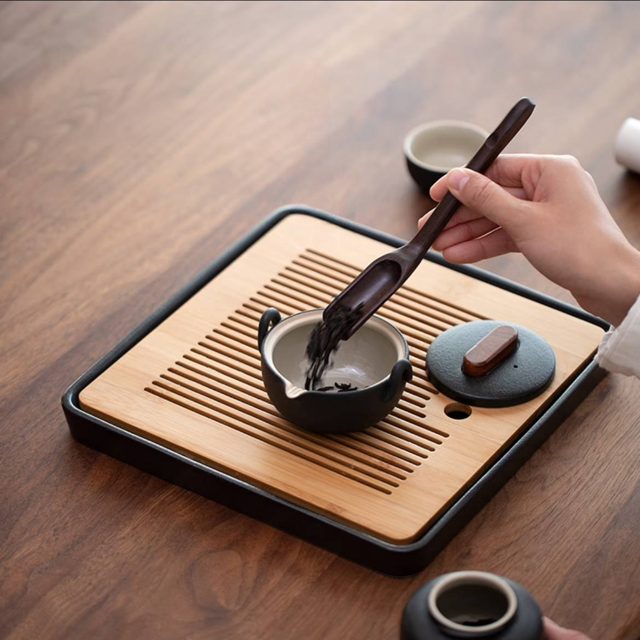
In Fujian and Guangdong, tea lovers developed gongfu cha: brewing a generous amount of leaves in a small pot or gaiwan and pouring many short infusions. It brings out how a tea changes from one cup to the next, and it is still the favourite way to brew oolong and pu-erh.
- 05
Tea reaches Europe
Dutch traders brought tea to Europe in the early 17th century. Europeans brewed it in larger pots, steeped it longer and served it in cups with handles, a style that shaped tea drinking in the Netherlands and Britain.
- 06
Tea today
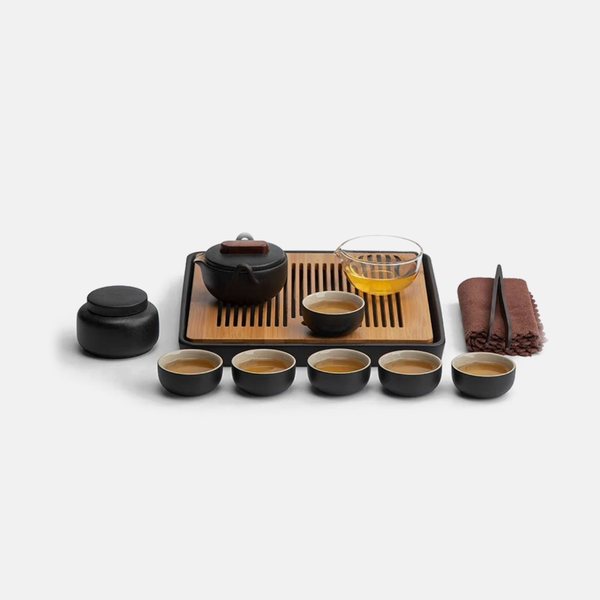
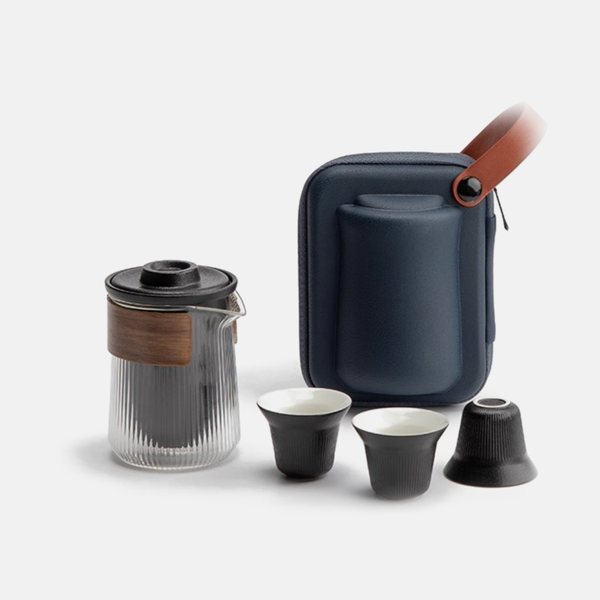
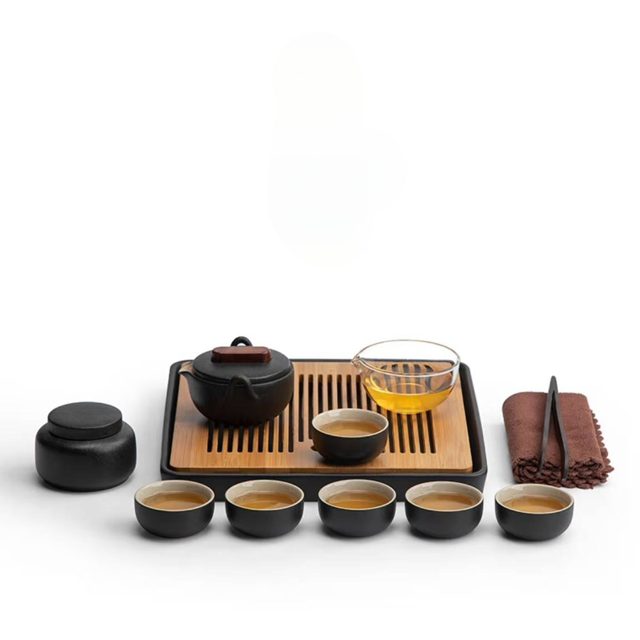
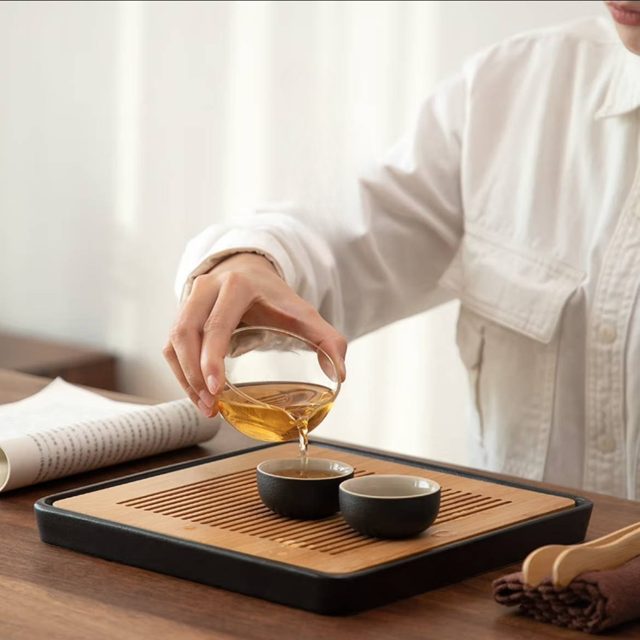
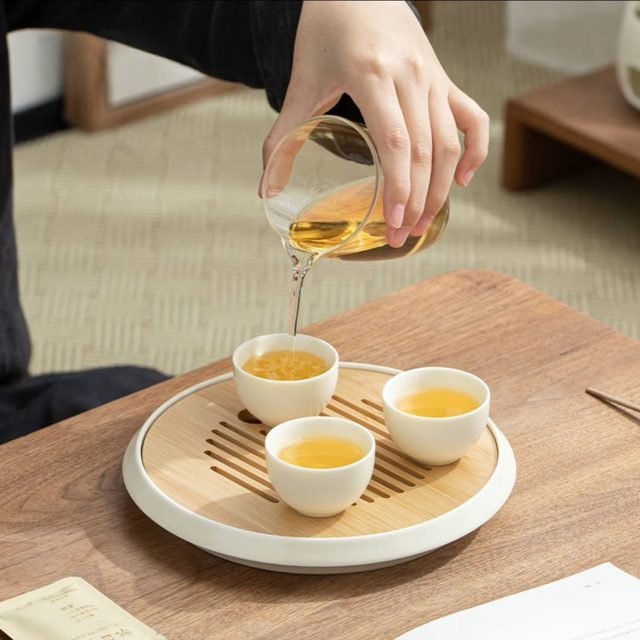
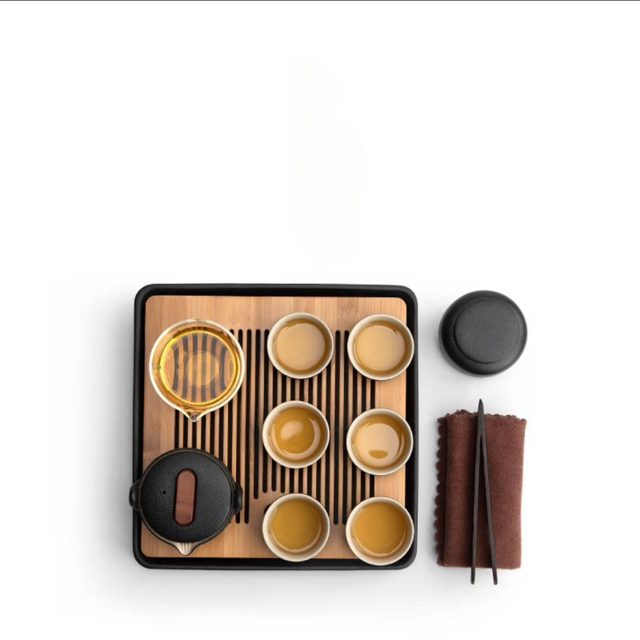
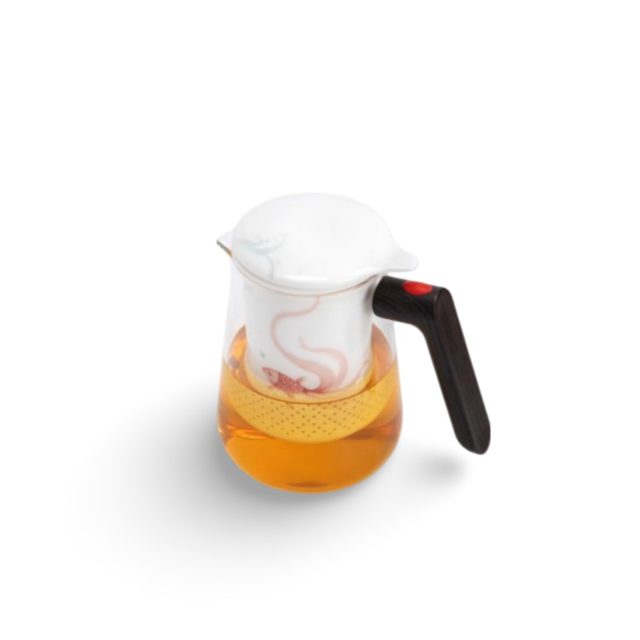
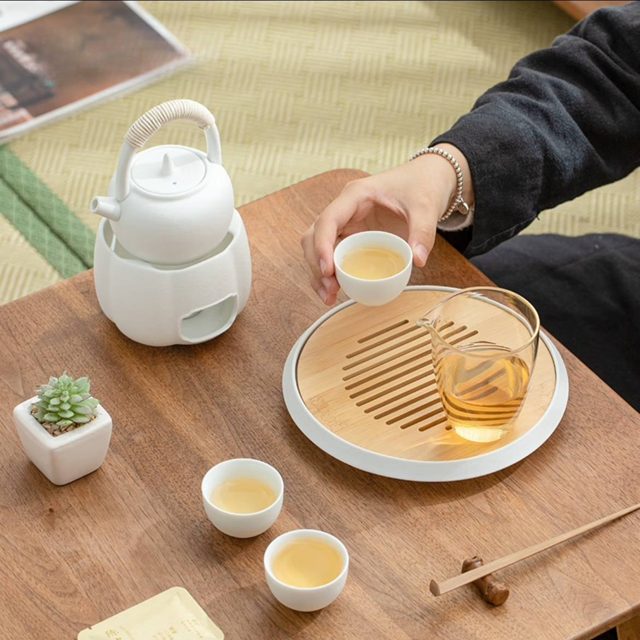
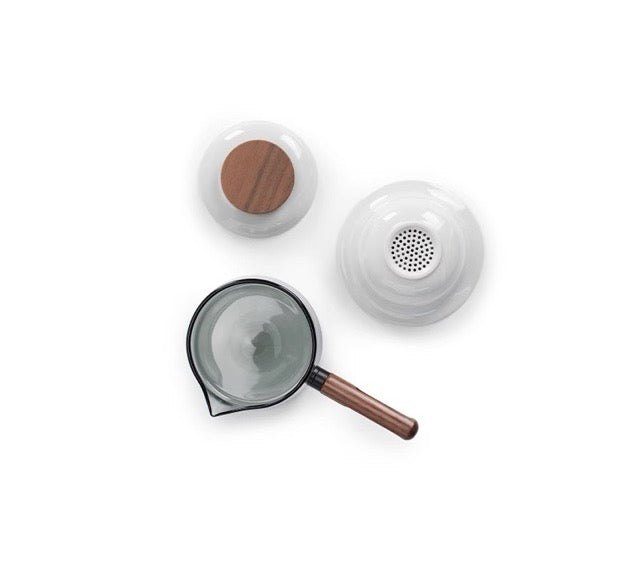
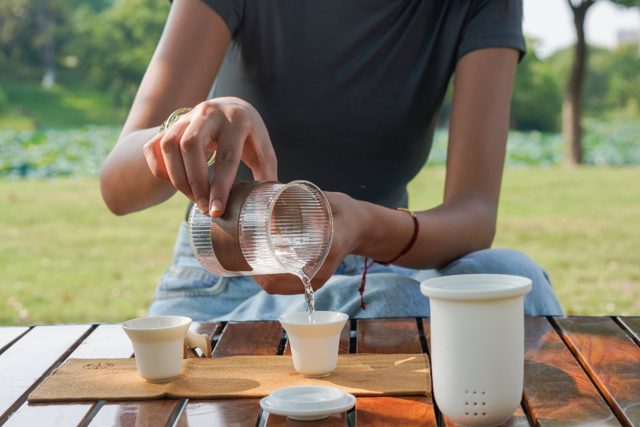
Today all of these methods live side by side. Glass teapots with filters make loose leaves easy at home, portable sets bring gongfu brewing to the office or outdoors, and a full tea table with a tray and pitcher remains the most generous way to share tea.