
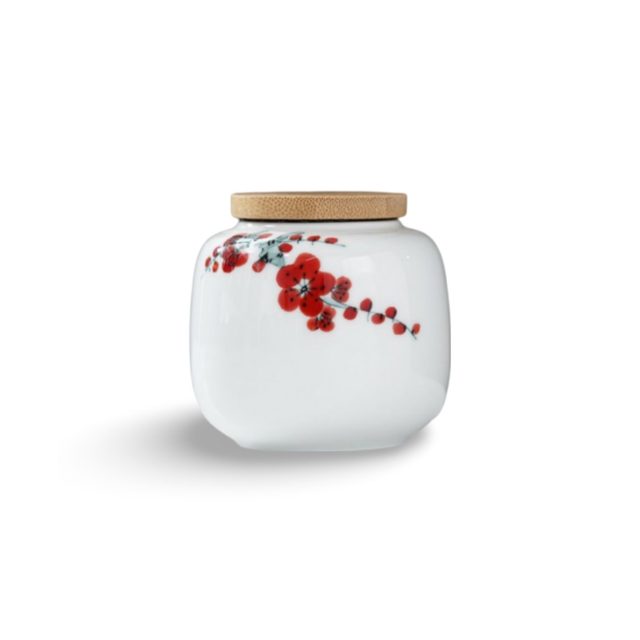
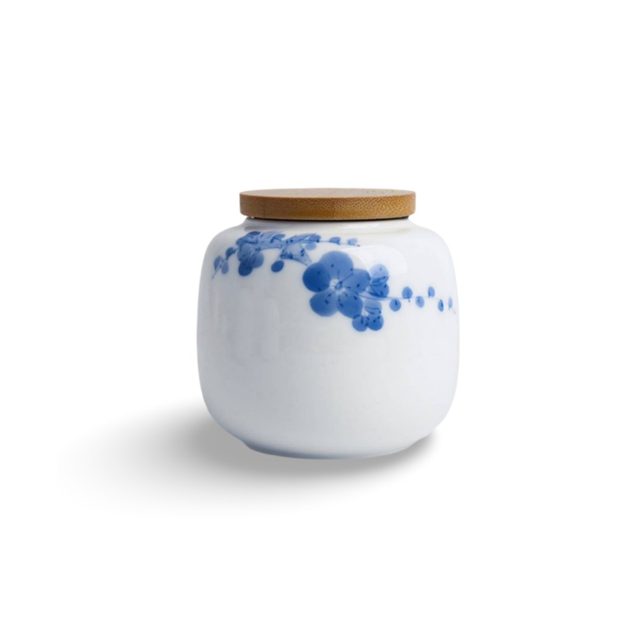
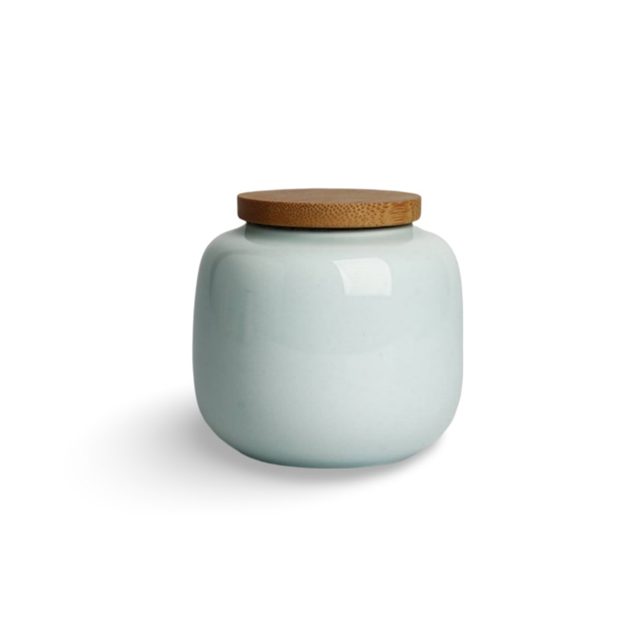
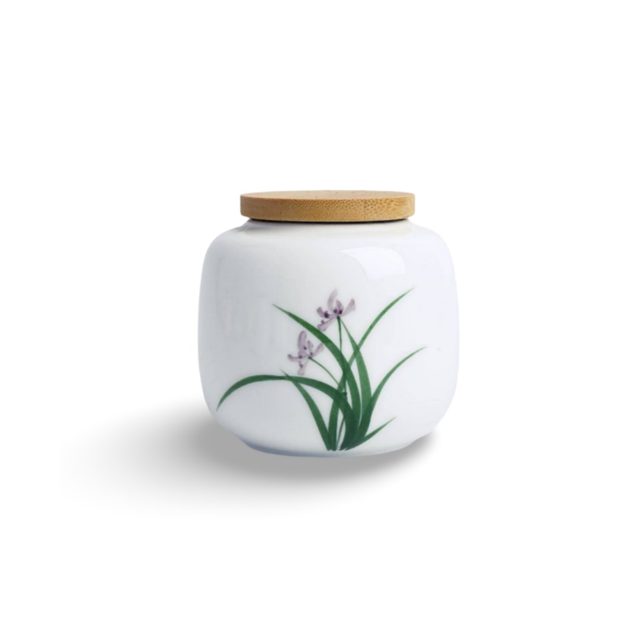
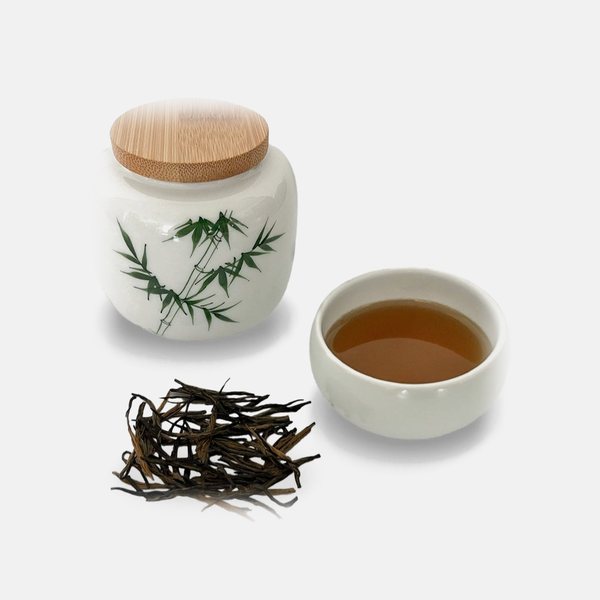
 Coming soonOriental Leaves Premium Teafrom €17.98
How tea is made: from leaf to cup
All true tea comes from one plant, Camellia sinensis. Green, white, oolong, black and dark teas taste so different because of what happens to the leaves after picking.
Tea makers use a handful of steps: withering, fixing, rolling, oxidation and drying. Which steps they use, in which order and for how long, decides the type of tea.
- 01
Withering
Freshly picked leaves are spread out to lose some of their moisture. They become soft and supple, and the first aromas develop. White tea is little more than withered and dried leaves and buds.
- 02
Fixing
Heating the leaves in a pan, drum or steam stops the enzymes that cause oxidation. This kill-green step keeps green tea green and fresh. Japanese green teas are usually steamed, most Chinese green teas pan-fired.
- 03
Rolling
Rolling, by hand or machine, breaks the cell walls so the juices meet the air and the leaf takes its shape: twisted, curled, rolled into pearls or pressed flat.
- 04
Oxidation
When the enzymes are left to work, the leaves darken and develop fruity, malty or honeyed notes. Oolong is partly oxidised, anywhere from lightly to deeply; black tea is fully oxidised.
- 05
Drying
Drying fixes the result and makes the tea stable for storage. Some teas are then roasted over charcoal or in an oven for extra depth.
- 06
The six types of tea
Green tea is fixed early. White tea is withered and dried. Yellow tea is lightly smothered after fixing. Oolong is partly oxidised. Black tea is fully oxidised. Dark tea, including pu-erh, is fermented after it is made, sometimes for years.
- 07
Botanical teas
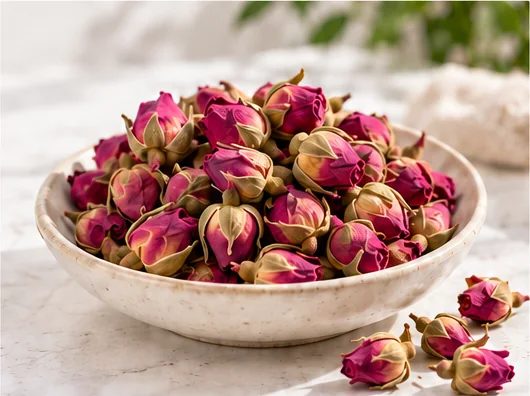
Rosebuds, chrysanthemum and dried fruit are not made from the tea plant. They are dried flowers and fruit, with their own character, and naturally contain no tea leaves. Their packs list the ingredients and how to prepare them.
Related products
Coming soonOriental Leaves Premium Teafrom €17.98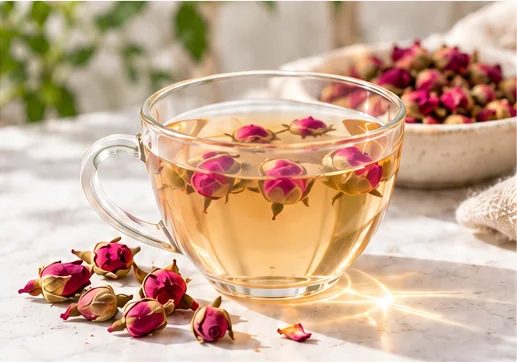 Coming soonRosebuds€14.90
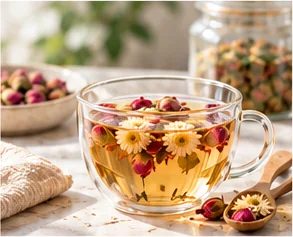 Coming soonChrysanthemum€12.90